
Best 7 types of table set up in restaurant (2026)
Restaurant table setups are designed based on the level of formality and service, typically ranging from casual to fine dining. The seven common types include formal, casual, banquet, buffet, cocktail/reception, outdoor/patio, and technology-enhanced, each dictating the arrangement of cutlery, glassware, and linens.
The table arrangement you choose speaks volumes about your restaurant. Beyond merely holding dishes, it secretly tells guests what kind of experience awaits them.
Kyivworkshop has witnessed firsthand how thoughtful restaurant settings can completely transform spaces. Whether you're hosting an intimate dinner or a bustling celebration, the right configuration makes all the difference.
In this article, we’ll explore seven proven table setup styles that successful restaurants use to create memorable experiences.
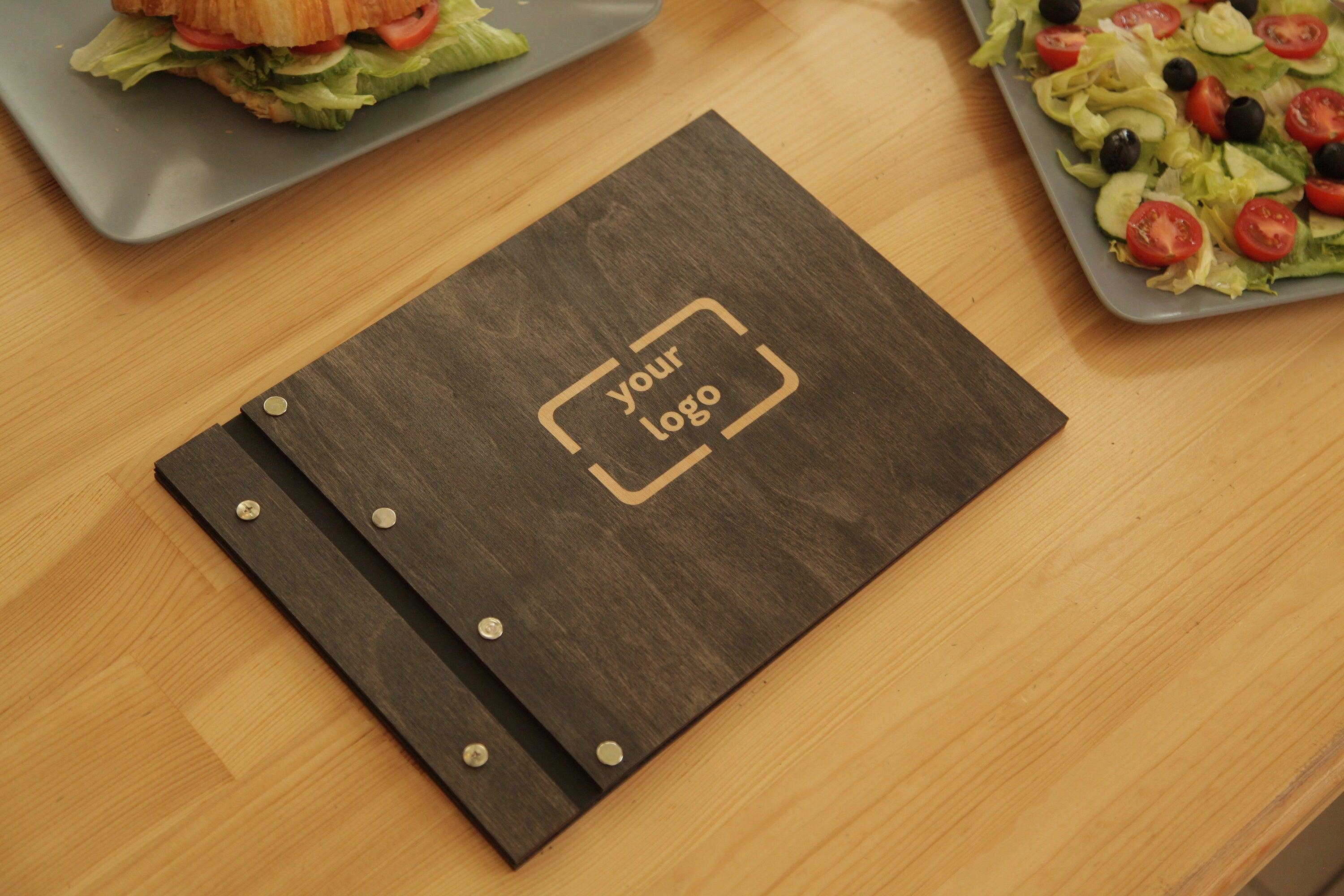
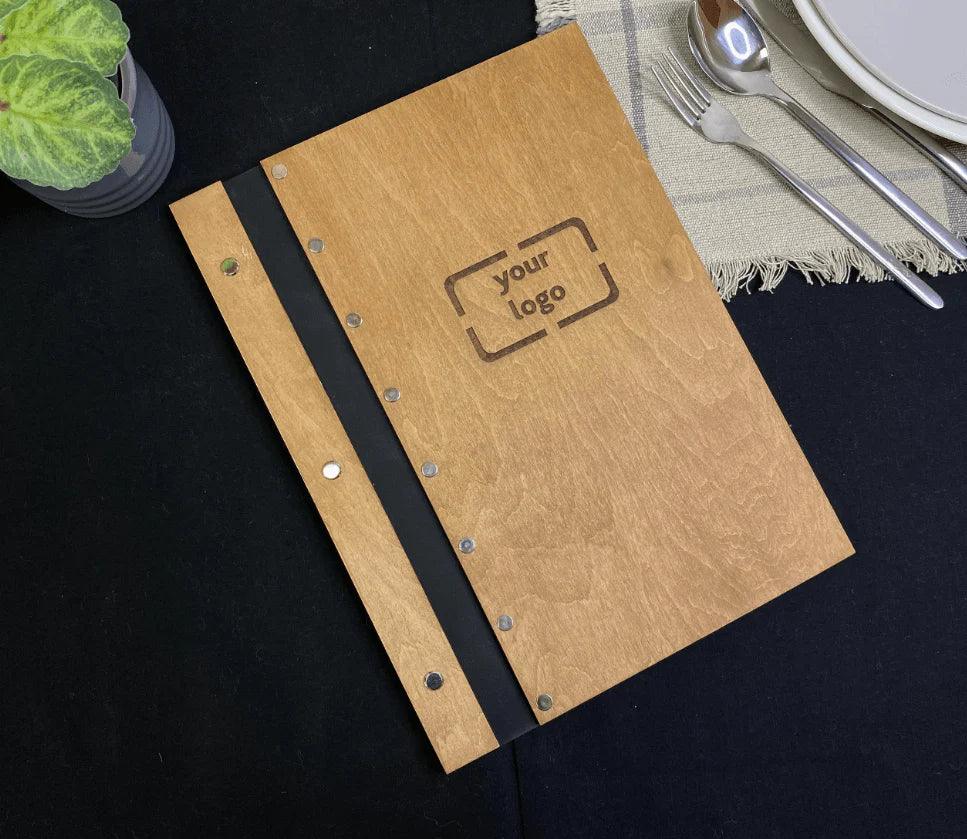
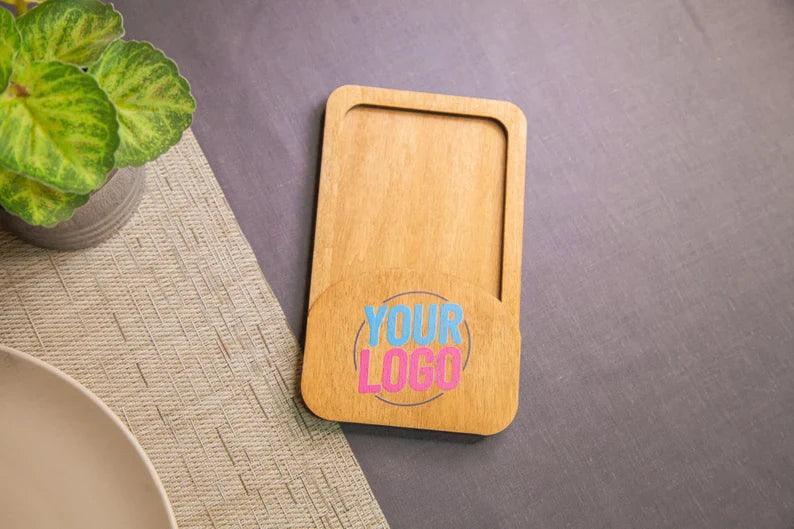
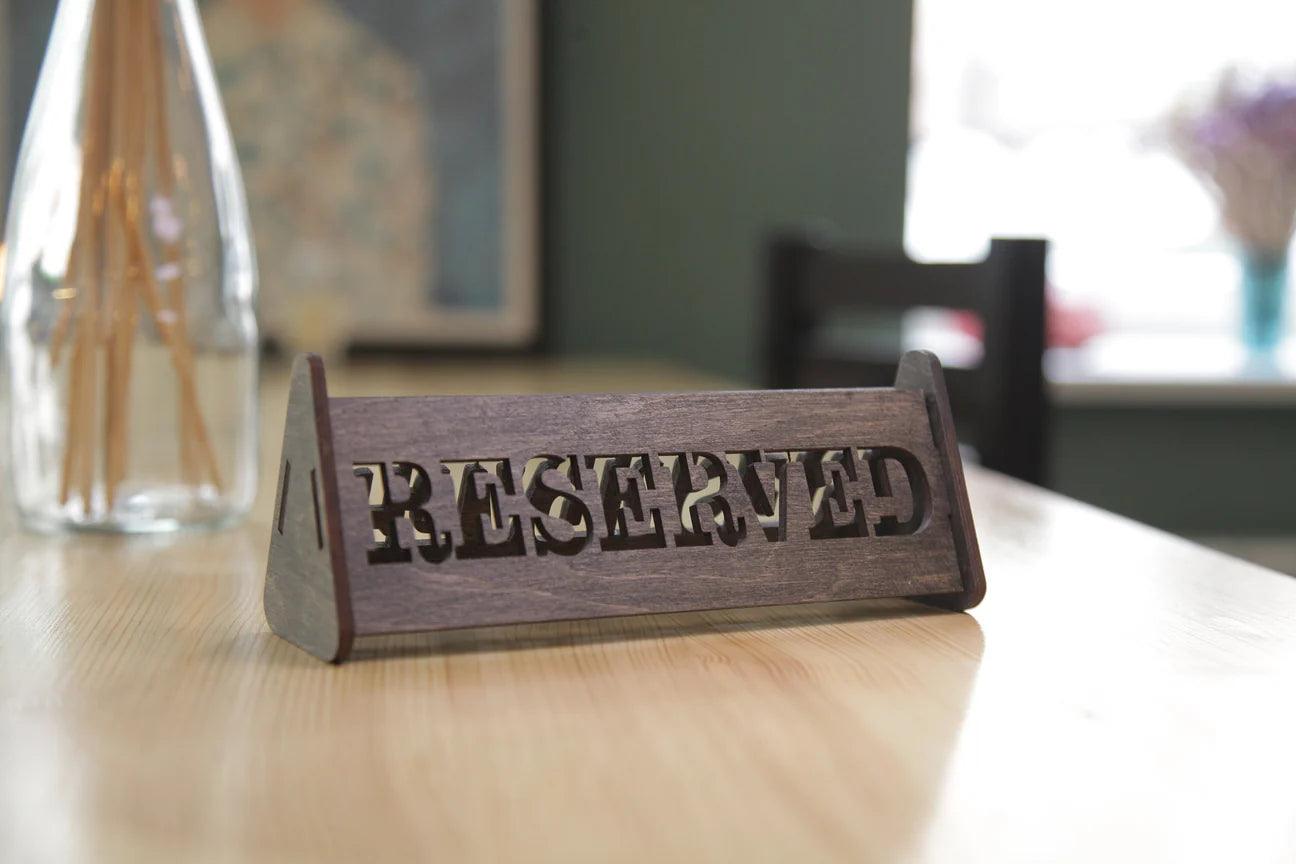
And at KyivWorkshop, we craft custom supplies for restaurants that leave a lasting impression on guests. We invite you to explore our collections, and if you need any customization, we’re happy to create it for you.
7 types of table set up in restaurant
Let’s take a look at the most common types of restaurant table setup.
1. Formal Fine Dining Table Setup

Nothing signals luxury quite like a fine dining table setting. Each element sits precisely where tradition dictates, creating an atmosphere of refined elegance that immediately sets the tone for an exceptional meal.
What makes formal setups special:
-
Utensils arranged methodically from outside inward, corresponding to course order
-
Strategic glassware placement: water goblets, champagne flutes, and separate glasses for white and red wine
-
Decorative charger plates beneath dinner plates add visual weight
-
Crisp, expertly folded napkins that complement the setting's formality
-
Generous spacing between guests (24-30 inches) ensuring privacy
-
Subtle, sophisticated centerpieces that enhance without obstructing conversation
The fancy restaurant table setting shines during milestone anniversaries, proposals, executive business dinners, and exclusive tasting events. Its formality creates an unmistakable sense of occasion.
Success with this style demands meticulous staff training. The table setting order isn't arbitrary—it choreographs the entire meal, ensuring each component appears exactly when needed and disappears once its purpose is served. A proper table setup here doesn't just look impressive; it actively facilitates a seamless dining journey.
2. Casual Dining Table Setup

Casual setups strike that sweet spot between comfort and refinement. They welcome guests without intimidating them, creating relaxed environments where the food and company take center stage rather than rigid etiquette.
Casual setup must-haves:
-
Streamlined utensil selection featuring only what's genuinely needed
-
Versatile wine glasses (when appropriate) rather than variety-specific stemware
-
Cloth napkins for elevated casual, paper for very relaxed settings
-
Comfortable spacing (18-24 inches per person) that encourages conversation
-
Practical centerpieces that might include condiments or shared items
The breakfast table set up offers a specialized version of casual dining with:
-
Compact plate arrangements reflecting morning portions
-
Prominent placement of coffee cups and juice glasses
-
Minimal utensils focused on breakfast-specific needs
-
Generous table space accommodating newspapers, devices, or shared platters
These table setting layouts excel in neighborhood bistros, family restaurants, and business-casual lunch spots where conversation flows as freely as the food. The approachable nature of casual setups invites guests to relax and linger.
3. Banquet-Style Table Setup

Long communal tables create an instant connection among larger groups. This restaurant table setting brings people together while efficiently using space, making it perfect for celebratory gatherings.
Banquet setup characteristics:
-
Extended rectangular arrangements configured in straight lines, U-shapes, or T-formations
-
Place settings balanced between space efficiency and guest comfort
-
Centerpieces strategically positioned at intervals rather than continuously
-
Unified linens create visual cohesion across the space
-
Well-planned server access paths ensure smooth service
This type of table arrangement excels at wedding receptions, milestone celebrations, fundraisers, and team gatherings where fostering connection matters. The unified space naturally encourages guests to chat beyond just their immediate neighbors.
Effective restaurant table setup in banquet style requires:
-
Allocated 24-30 inches per guest for comfortable dining
-
Planning acoustics so speeches and toasts carry appropriately
-
Creating clear sightlines to any presentation or entertainment areas
-
Designing service routes that minimize disruption
Banquet configurations adapt well to both formal and casual events simply by adjusting the complexity of individual place settings while maintaining the communal table concept.
4. Buffet-Style Table Setup

Buffet arrangements separate the serving and dining functions with dedicated food stations and simplified table settings. This table setting layout champions variety and personal choice, letting guests customize their dining experience.
Buffet setup key elements:
-
Serving stations arranged logically (plates first, followed by courses in eating order)
-
Dining tables with minimal settings – typically napkins, water glasses, and perhaps wine glasses
-
Generous spacing between tables, accommodating traffic to and from buffet lines
-
Intuitive traffic patterns preventing congestion
This restaurant setting works beautifully for conferences, diverse menu offerings, large family gatherings, and accommodating varied dietary preferences. Its flexibility allows each guest to create their ideal plate.When planning how to set up table configurations for buffet service:
-
Position serving tables away from main walkways
-
Consider dual-sided access points for larger events
-
Place beverages separately to prevent bottlenecks
-
Ensure dining tables have ample room for full plates
Even buffet setups can feel upscale through quality serving pieces, thoughtful food presentation, and attentive staff managing the buffet area to maintain freshness and visual appeal.
5. Cocktail/Reception Table Setup

Cocktail configurations prioritize movement and mingling over seated dining. These dynamic arrangements encourage guests to circulate freely, meeting and chatting with multiple people throughout the event.
Cocktail setup features:
-
Standing-height tables (30-36 inches in diameter) distributed strategically throughout the space
-
Functional table dressings that don't impede usage
-
Cocktail napkins rather than full place settings
-
Thoughtfully positioned food stations or butler service routes
-
Limited seating options for those needing rest
This type of table arrangement works wonderfully for networking events, pre-dinner gatherings, gallery openings, and social mixers where conversation takes priority. The fluid layout prevents guests from becoming locked into single conversation groups.The table setting order for cocktail setups remains minimal but should include:
-
Small plates or cocktail napkins
-
Any specialized utensils needed for the specific foods offered
-
Accessible places to set drinks while eating
A successful cocktail restaurant table setup typically requires one high-top table per 8-10 guests, with tables spaced to create natural movement patterns throughout the venue.
6. Outdoor/Patio Table Setup

Al fresco dining blends culinary pleasures with natural beauty but requires special adaptations to weather, environment, and comfort considerations. This distinctive table setup brings the outdoors into the dining equation.
Outdoor setup essentials:
-
Weather-resistant materials that maintain appearance despite the elements
-
Secured elements preventing mishaps in breeze or wind
-
Shade solutions for daytime comfort
-
Heating options extend seasonal usability
-
Discreet pest management strategies
-
Ready contingency plans for sudden weather changes
The outdoor restaurant table setting creates magical experiences for romantic dinners, summer celebrations, weekend brunches, and garden parties where nature enhances the ambiance. Smart outdoor arrangements include:
-
Weighted tablecloths or clips in windy settings
-
Shatter-resistant glassware for safety
-
Heavier napkins are resistant to gentle breezes
-
Centerpieces incorporating elements from the surroundings
Your table setting layout outdoors should work with the specific environmental factors of your location while showcasing its unique advantages – breathtaking views, lush gardens, or vibrant streetscapes.
7. Interactive/Technology-Enhanced Table Setup

Modern dining increasingly incorporates digital elements into the restaurant setting without sacrificing personal connection. These tech-enhanced configurations maintain traditional dining comfort while introducing digital touches that streamline service and engage guests.
Interactive setup highlights:
-
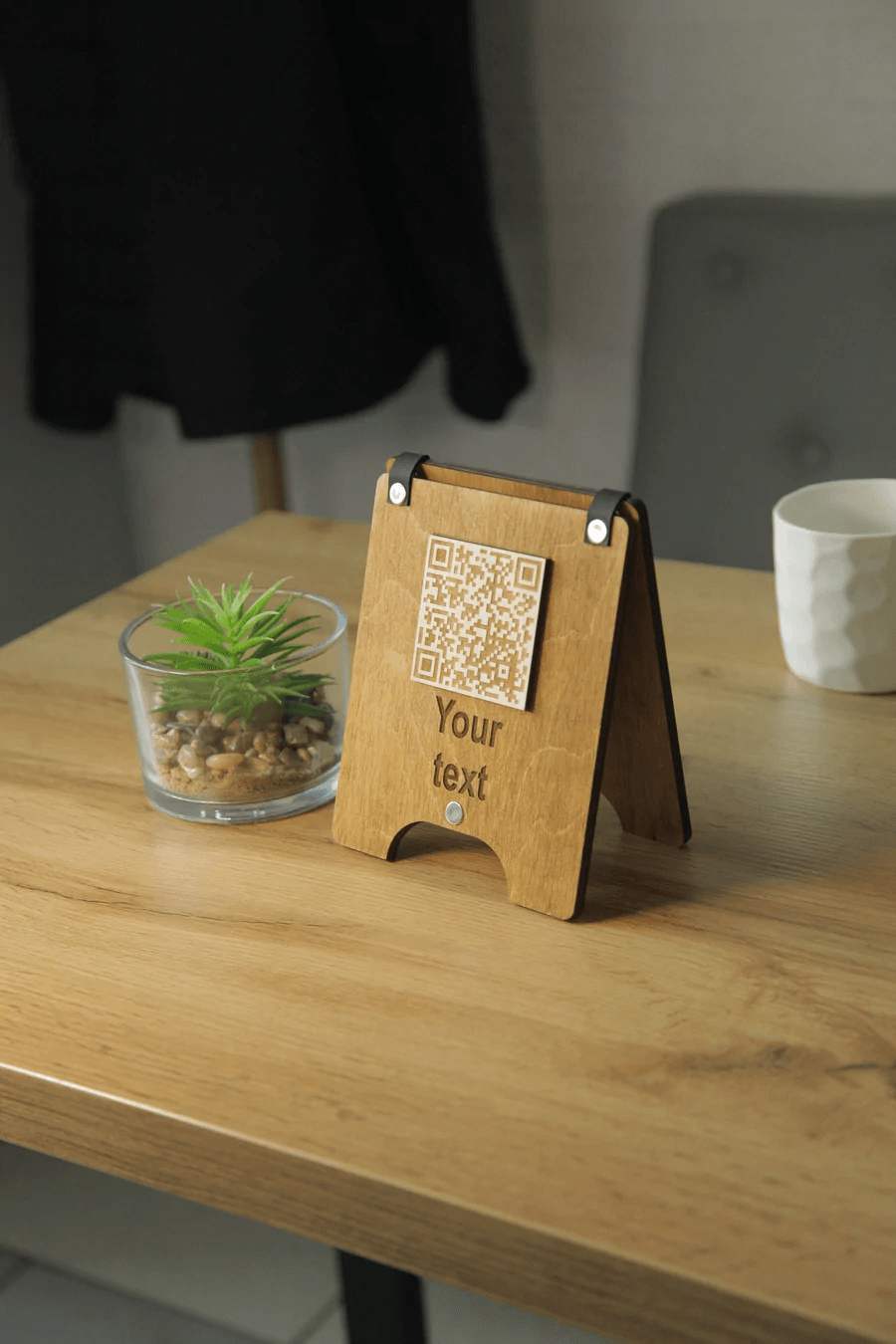
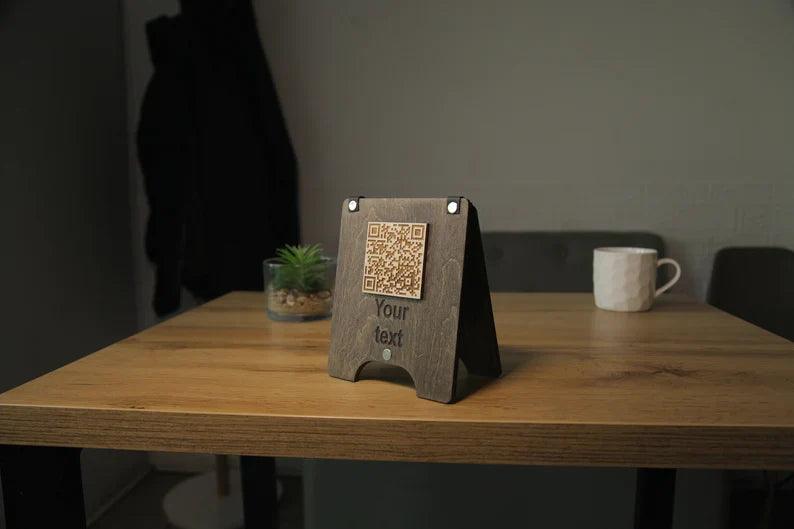
Digital menu access via elegant engraved QR code displays
-
Tasteful wooden QR code holders, blending technology with natural materials
-
Tablet integration for ordering or entertainment
-
Discreet charging stations incorporated into table design
-
Interactive surfaces in concept-driven establishments
The table setting order still follows traditional placement principles while incorporating these digital elements as enhancements rather than replacements for human interaction. This contemporary approach fits particularly well in:
-
Urban hotspots attracting tech-savvy diners
-
Restaurants with frequently changing menus
-
Venues looking to reduce wait times through digital ordering
-
Establishments where interactive experiences form part of the brand identity
The key to success lies in balance—technology should enhance hospitality rather than replace the human elements that make dining out special.
Essential Elements for Every Restaurant Table Setup

Regardless of which style you choose, certain fundamental principles ensure your proper table set up delivers the best possible guest experience:
Here are some of the main universal table setting principles:
-
Spotless Presentation: Flawless cleanliness across tables, utensils, and linens forms the foundation of any good setup
-
Visual Harmony: Maintaining identical configurations at similar tables creates a sense of intentional design
-
Breathing Room: Adequate spacing between settings and between tables respects guest comfort and privacy
-
Visual Balance: Elements should distribute weight evenly across the table
-
Purpose-Driven Design: Every component should serve a function rather than creating obstacles
-
Precise Alignment: Utensils and settings should form clean, straight lines for visual appeal
These principles apply whether creating an elaborate fine dining table setting or a simple casual arrangement. The attention to detail communicates professionalism and consideration for guest comfort.
Every restaurant table setting should also account for accessibility needs, ensuring comfortable dining for all guests regardless of mobility challenges.
Restaurant Restaurant Table Setup Ideas for Maximizing Limited Space

Learning how to set up table arrangements efficiently isn't just about aesthetics—it directly impacts your bottom line.
Modular Tables That Transform Easily
Flexible furniture is the foundation of small-space efficiency. Modular two-tops that lock together, tables with hidden extensions, and designs with subtle under-table storage allow staff to reconfigure the dining room instantly. This adaptability supports everything from lunch rushes to private events without disrupting the guest experience. With the right pieces, even a compact room can function like a much larger space.
Smart Zoning to Control Flow
Dividing a small dining room into micro-zones helps maintain clarity and calm. High-tops near the entrance manage walk-ins, compact booths maximize wall edges, and flexible central tables accommodate couples or small groups. This zoning spreads guests evenly across the space and prevents bottlenecks, creating a smooth flow for both diners and staff. Thoughtful zoning makes limited square footage feel intentional and well-orchestrated.
Multi-Purpose Service Stations
Mobile service stations serve as hidden heroes in tight environments. These compact carts store essential supplies, reduce trips to the kitchen, and can double as subtle room dividers during peak hours. When service slows, they roll out of sight to instantly open up the space. Their versatility ensures the dining room stays efficient without ever feeling cluttered.
Vertical Storage That Doubles as Design
Limited floor space demands creative use of walls. Wall-mounted shelves for glassware, slim vertical cabinets for linens, and hanging racks for wine glasses keep essentials within reach while freeing valuable surface area. These elements also enhance ambiance, turning practical storage into part of the decor. The result is a dining room that feels airy, organized, and visually balanced.
Lighting and Color to Extend the Room Visually
Thoughtful lighting can make a compact restaurant feel significantly larger. Soft overhead fixtures paired with localized table lighting create warm “pockets” of intimacy without reducing the openness of the room. Neutral tones, mirrors, and matte finishes help expand the visual field and reduce the sense of crowding. This combination supports both functional service and a refined dining atmosphere.
Multi-Function Table Elements
Space-efficient table elements reduce clutter and streamline service. Chargers that double as shareable platters, QR stands that also hold florals, and stackable candle bases that hide USB charging ports keep tables clean without sacrificing utility. These hybrid elements reduce the number of objects on the table while elevating the guest experience. Every piece serves more than one purpose, reinforcing thoughtful design.
Optimized Walkways for Service Efficiency
Even in small restaurants, clear movement paths are non-negotiable. Angled table arrangements, staggered seating, and defined server lanes prevent collisions and make the entire room feel more spacious than it actually is. Efficient walkways improve service speed and reduce guest disturbance throughout the meal. When movement is smooth, the dining room feels calm rather than compressed.
Flexible Seating for Peak Hours
Lightweight chairs, slim benches, and stackable stools offer powerful flexibility in limited spaces. These pieces can expand seating capacity during high-demand periods and be tucked away quickly when fewer tables are needed. Their mobility allows the dining room to shift between cozy and high-capacity modes with minimal effort. This adaptability supports revenue without compromising comfort.
Signature Small-Space Design Detail
A unique, space-aware detail gives the restaurant identity without adding bulk. Custom table accessories or distinctive wooden QR holders become recognizable brand elements that fit your limited tables perfectly. These touches add personality while keeping surfaces neat and functional. Even subtle details can elevate the entire dining experience in a compact room.
Explore Restaurant Décor Products from Kyivworkshop

Every restaurant setting sends a message. The right combination of style, layout, and detail create an atmosphere that shapes your guests’ experience, often in ways they feel before they even realize it.
At Kyivworkshop, we understand how furnishings and design elements contribute to these experiences. From custom tables perfectly suited to your space to innovative technology integration through our wooden QR code solutions, we help restaurants create environments where memorable moments happen naturally.
Take a look at Kyivworkshop's custom restaurant décor products, which can help you create a dining experience your guests will cherish.
Frequently Asked Questions
How to set a table in a restaurant?
A restaurant table setting begins with placing the dinner plate in the center and ensuring the dinner fork rests on the left side for intuitive guest use. On the right, the dinner knife and soup spoon align cleanly, while the water glass sits above the knife for convenience. Include a bread plate with a butter knife when serving bread to create a more professional dining experience. Once these essentials are in place, the aim is a well set table that supports a smooth service flow.
What are 7 types of table set up in a restaurant?
Restaurants commonly use 7 types of table configurations, including formal, informal, banquet, buffet, cocktail, outdoor, and tech-enhanced styles. A casual table setting offers flexibility for everyday service, while a formal table is reserved for elevated evenings. Buffets require a distinct buffet table setting with a designated drink station to support self-service. Each of these types of table settings shapes the dining atmosphere and guest expectations.
How to set a table for fine dining?
A fine dining arrangement starts with a service plate and carefully positioned salad fork, dessert fork, and fish fork according to course order. Glassware includes a red wine glass, a white wine glass, and wine glasses for additional pairings when needed. Proper utensil placement ensures formal settings feel intuitive and aligned with the right table setting principles. When done correctly, guests enjoy an exceptional dining experience supported by seamless utensil flow.
How many types of setup are there in a restaurant?
Most restaurants use several setup models based on occasion, spanning from basic table formats to theme-specific arrangements. At minimum, a venue uses casual, formal, banquet, buffet, cocktail, outdoor, and tech-enhanced arrangements—altogether forming the main restaurant setting categories. The choice depends on menu, service flow, and intended dining experience quality. Each setup influences how guests perceive the dining area, shaping comfort and atmosphere.
How many types of table setup are there?
There are multiple table configurations, but restaurants typically rely on seven core designs plus a few variations for unique service style needs. Options range from a basic table setting to more elaborate forms, including systems adapted to events or holidays. Operators might also use expandable or folding tables when adjusting layouts for large groups. Every choice affects how guests interact with the table surface and overall environment.
What are the different types of setup in restaurants?
Different restaurant configurations include formal dining, informal table setting, outdoor arrangements, buffet service with distinct serving dishes, cocktail layouts, and interactive digital tables. Some venues enhance ambiance with fresh flowers, stylish dinnerware, and décor aligned with their dining room decor. Family-focused spaces may use family style service to encourage sharing and connection. Each approach is designed to create a perfect atmosphere that supports the entire dining experience.
What are 5 basic types of table set up?
The five foundational styles are casual, formal, buffet, outdoor, and reception setups, each adaptable to different events and guest expectations. A casual table layout creates a relaxed atmosphere while still offering proper table settings for comfort. Buffets prioritize easy circulation around the buffet table, ensuring enough space for movement. When arranged with care, any of these formats becomes a perfect table setting that leaves a lasting impression through a balanced and inviting atmosphere supported by dessert utensils, a salad knife, a salad plate, and well-placed knives and spoons at all guests tables.